
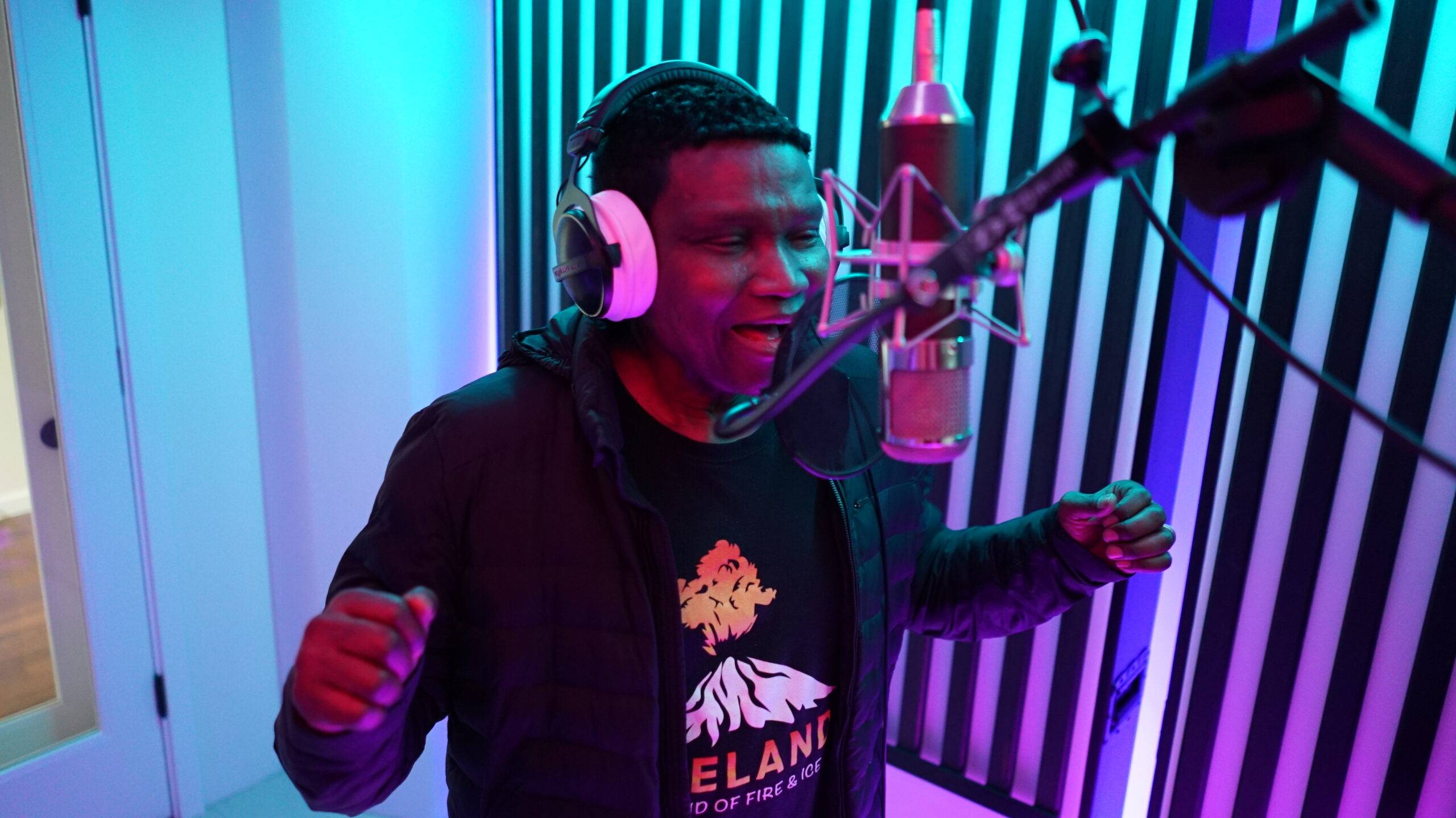
Music and culture have always been closely linked. Wherever people go, their music follows. It carries stories, beliefs, struggles, celebrations, and everything in between. In today’s world, where borders are blurrier, collaborations are global, and sounds travel faster than ever, culture plays an even bigger role in shaping the music we hear.
Modern music isn’t just influenced by culture. It is culture. It’s where identity meets creativity. And as the world grows more connected, music becomes a bridge that links people across languages, traditions, and generations.
Let’s explore how culture continues to shape, inspire, and redefine modern music around the world.
1. Culture Keeps Musical Roots Alive
Every genre of modern music has roots somewhere. Hip-hop grew from the streets of the Bronx. Reggae was born in the neighborhoods of Kingston. Afrobeat pulsed its way out of Nigeria, blending traditional rhythms with political power. K-pop is shaped by Korean traditions mixed with global pop elements. Even techno traces back to Black artists in Detroit.
These cultural origins are not just history, they’re part of the music’s identity. Artists today still reach back to their heritage, their roots, their people. They bring the past forward with new sounds, keeping traditions alive while also giving them fresh expression.
This balance between honoring where you came from and expressing where you are now is what gives music its richness. It’s why a trap beat can carry a Yoruba chant. Or why a classical Indian raga can show up in a global pop hit.
Culture helps music stay grounded, even as it evolves.
2. It Shapes the Stories We Tell
Music is a form of storytelling. And culture decides what stories matter.
In some places, music is used to share political resistance. In others, it’s a tool for preserving family histories. For some communities, music is spiritual, it’s woven into ceremonies and rites of passage. For others, it’s deeply tied to love, heartbreak, and coming of age.
Modern music reflects these cultural lenses. For example, Latin American artists often use music to speak about identity, family, and social struggle. Indigenous musicians may focus on environmental justice or land rights. Artists from the Middle East may use music to explore themes of freedom and displacement.
What we sing about is shaped by what we’ve lived. And what we’ve lived is shaped by where we come from.
3. It Inspires Sound, Style, and Movement
When we talk about culture, we’re not just talking about geography or ancestry. Culture includes language, fashion, slang, food, dance, and belief systems. And all of that shows up in music, especially in the way it looks and sounds.
Think about the way dance moves like the Azonto, Dabke, or TikTok’s viral challenges have become cultural exports. Or the way certain beats immediately place you in a specific part of the world like the rhythm of reggaeton, the swing of jazz, or the bounce of baile funk.
Cultural influence is everywhere. In the instruments used. In the vocal inflections. In the visuals of music videos. Even in the album art.
What’s powerful about this is how it encourages both pride and curiosity. It makes listeners proud to see their own culture represented, while also inviting others to explore something new. It’s music as both mirror and window.
4. It Drives Global Collaboration
One of the most exciting parts of modern music is how easily artists from different cultures can now work together. Technology, streaming platforms, and social media have torn down the walls that once separated artists by geography.
We now hear Nigerian singers featured on American pop songs. Indian producers crafting beats for UK rappers. Japanese jazz musicians teaming up with French electronic artists. And fans love it.
This isn’t just about trends or business deals, it’s about genuine exchange. Cultural collaborations introduce audiences to new sounds while helping artists grow creatively. It shows how music can be a space where cultures don’t compete. They converse.
The best part? When done respectfully, these cross-cultural moments don’t dilute culture. They amplify it. They remind us that music is one of the few languages that doesn’t need translation.
5. It Gives Voice to Marginalized Communities
Culture is often shaped by struggle. And music has always been one of the loudest tools for people trying to be heard.
Modern music continues to spotlight voices that have historically been silenced. Ǫueer artists reclaim genres. Indigenous artists preserve endangered languages through song. Women create space in male-dominated scenes. Immigrant musicians bring hybrid sounds that reflect the tug-of-war between old home and new land.
Through platforms like YouTube, SoundCloud, and TikTok, these voices are no longer waiting for mainstream approval. They’re building communities, breaking through algorithms, and creating movements from the ground up.
Culture here isn’t just a backdrop, it’s the heartbeat of the message. These artists remind us that modern music is not just about entertainment. It’s about truth, resistance, and the right to be seen and heard.
6. It Influences the Way We Listen
Culture doesn’t just shape the music. It also shapes the audience.
In some cultures, music is experienced in community, at festivals, street corners, weddings, or rituals. In others, it’s a private escape, tucked into headphones or car rides. How we engage with music, how we dance to it, respond to it, or value it, is deeply cultural.
Even the idea of what makes a “good” song is shaped by culture. Some prioritize lyrics. Others focus on rhythm or harmony. Some love minimalism. Others lean into bold complexity. All of this affects what becomes popular, what gets shared, and what gets passed down.
As the global music audience grows more diverse, the ways we experience music grow too. Algorithms can suggest a song, but it’s culture that tells you whether that song speaks to your soul.
Final Thought: Music is Where Culture Lives
Modern music is a living, breathing reflection of culture. It carries identity, memory, and evolution. It honors old roots while planting new ones. And as the world keeps spinning and shifting, music continues to remind us where we come from and where we’re headed.
So the next time you hear a song that moves you, ask yourself: What story is it telling? What culture shaped it? And how does it connect to your own?Because in the end, music isn’t just about sound. It’s about belonging. And that makes it one of the most powerful expressions of culture we have.