
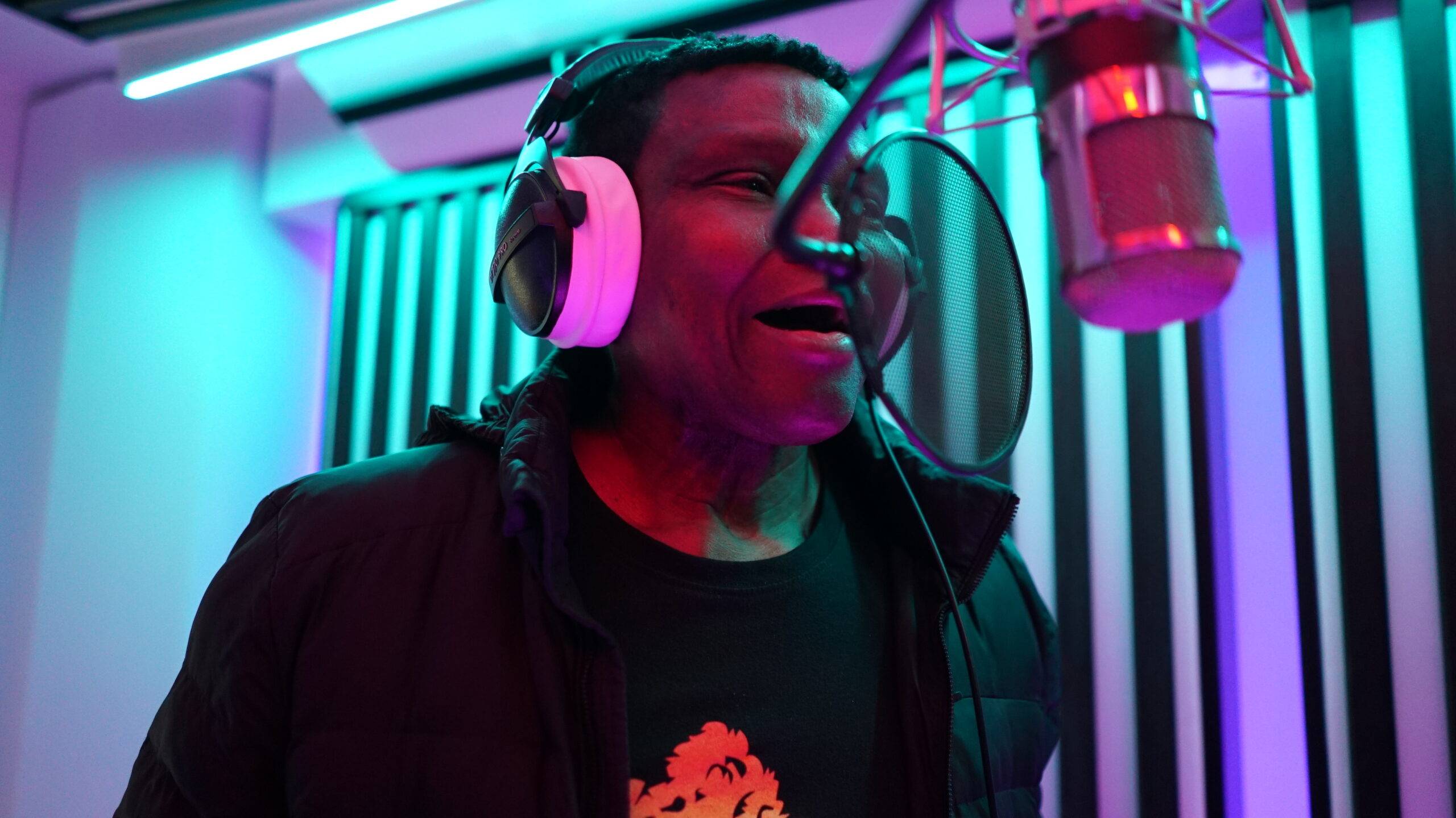
Every artist reaches a point where the question hits hard: What’s my sound?
It’s one of the most personal, frustrating, beautiful parts of the creative journey. Maybe you’ve written dozens of songs, played around with different genres, and still feel like something’s missing. Or maybe you’re just starting out and overwhelmed by the endless possibilities.
The truth is, finding your sound isn’t something you force. It’s something you grow into. And while it might feel out of reach right now, trust that it’s already inside you. You just have to listen closely.
Let’s walk through what it really means to find your sound and how to stop chasing trends and start finding your truth.
1. Understand that “Your Sound” isn’t a Box
When people talk about an artist’s sound, they usually picture a genre or a vibe. But your sound isn’t a strict label. It’s the emotional fingerprint that follows you through every note.
It’s the way you phrase lyrics, the energy you bring to a beat, the patterns in your storytelling. It’s not just what you sound like. It’s what your music feels like.
You don’t have to stick to one genre to have a sound. Artists like Billie Eilish, Childish Gambino, and Rosalía experiment with different styles all the time but you can still recognize them instantly. Why? Because their sound is in the emotion, not the label.
So if you’ve been stressing about whether you’re pop, indie, R&B, or something in between, breathe. Your sound can live between genres. It just has to be true.
2. Look Inward, Not Around
It’s easy to look around at what’s trending and feel tempted to follow the wave. Maybe a certain beat is dominating TikTok. Maybe everyone’s adding a specific vocal effect or tempo. And while experimenting is healthy, chasing what’s popular can pull you away from what’s real.
Finding your sound starts with knowing yourself. What stories do you want to tell? What feelings do you want to share? What moments in life shaped the artist in you?
Some of the best music comes from turning your own experiences into sound. Heartbreak, joy, anxiety, nostalgia, hope, these aren’t trends. They’re human truths. And people connect with them when they’re honest.
So instead of asking what’s hot right now, ask what’s honest for you.
3. Play, Fail, and Repeat
There’s no shortcut to finding your sound. You have to try things. Then try more things. And mess up. A lot.
Record songs that never get released. Write verses you end up hating. Cover artists you admire. Try producing. Try playing live. Try singing out of key. All of it matters.
The more you create, the more you learn what doesn’t feel like you. And that’s just as important as discovering what does.
Think of it like sculpting. You start with a big block of sound and slowly chip away at what doesn’t belong. Over time, what’s left is something that sounds and feels like you. The only wrong move is waiting until you’re “ready.” Start messy. The clarity comes later.
4. Don’t Be Afraid to Mix Influences
You are made up of everything you’ve ever heard. That’s a good thing.
Maybe you grew up on gospel, but you love lo-fi beats. Maybe you’re trained in classical piano but can’t stop listening to rap. Maybe your parents blasted jazz, and now you’re obsessed with synthpop. These influences are part of your musical DNA and they’re not meant to be hidden.
Your sound can be a blend. It should be. Because you’re not a copy of anyone else.
The key is being intentional. Don’t blend genres just for the sake of being different. Blend them because they mean something to you. That connection is what makes it authentic. That’s what turns a mashup into a movement.
5. Trust What Moves You
One of the biggest traps artists fall into is trying to impress. But the songs that last, the ones people come back to aren’t always the most polished or trendy. They’re the ones who feel the most honest.
If a song gives you chills, makes you cry, or makes you want to dance around your room, pay attention. That’s your compass. That’s your sound showing up.
You’ll know when a song feels right because it won’t feel forced. You’ll stop asking, “Is this good enough?” and start asking, “Did this say what I needed to say?” That shift is everything.
6. Let Your Voice Grow
Your sound isn’t something you find once and keep forever. It evolves as you do. You’re going to change. Your voice will mature. Your stories will shift. And that’s part of the process.
Look at artists like Beyoncé, Frank Ocean, or Taylor Swift. Their sound today is worlds away from their early work, but it’s still them. You can feel their fingerprints in every phase.
Don’t get stuck in the idea that your sound has to be one thing forever. Let it grow. Let it stretch. Give it room to breathe. Finding your sound isn’t about locking it in. It’s about learning how to follow it wherever it goes.
7. Make Peace with the Process
It’s okay if you’re not there yet. Really.
You don’t have to “arrive” to make great music. Some of your best songs will come from being in-between caught between influences, moods, and questions. That space is messy, but it’s also magic.
You’re not behind. You’re not doing it wrong. You’re in the middle of becoming. And your sound is growing with you.
Keep writing. Keep recording. Keep listening to what makes your heart stir. Because even when you feel lost, you’re still getting closer.
Final Thought: Your Sound Is Already Inside You
Finding your sound isn’t about copying someone else or trying to fit into a box. It’s about peeling back the noise until you hear your own voice, loud, clear, and real.
So stop waiting for permission. Stop waiting for perfection. Make music. Mess it up. Find something new. Trust what gives you goosebumps. And above all else, followyour truth. Because of your sound? It’s not out there. It’s already in you. You just have to let it out.